2024 Annual Report
California Farmlink's 2024 Annual Report

Letter from our CEO
As I write this, we are five months into 2025 and we continue to navigate chaos and uncertainty. With significant changes in the availability of federal resources, California FarmLink is focused on the resilience of our client businesses as well as our own organizational health, as we continue to provide capital, technical assistance, and educational services for our clients.
Unprecedented threats are affecting the communities we serve, including increased targeting of farm workers, and the destabilizing effect that has on our farmer clients. Both FarmLink and our clients are experiencing disruptions from the terminations, pauses, and staffing cuts at many USDA programs. Notably the curtailing of USDA’s local foods programs, which supported small farms in marketing to schools and food banks, has directly impacted many of our clients, including members of our Farmer Advisory Council.
Our programs at FarmLink respond to these threats in a holistic way, and strengthen our clients’ ability to respond to change and thrive. By combining education, technical assistance, innovative lending and monetary incentives, we are applying principles of integrated capital, and building financial resilience from the ground up. For example, our Employment Resilerator course helps farmers improve protocols to make sure they’re protecting their workers and creating excellent workplaces.
In 2024 we expanded access to fair and affordable capital, and to education, technical assistance and land tenure programs. We distributed $13.5 million in loans for operations, infrastructure and land, and supported land tenure agreements for 49 farms.
New programs demonstrated pragmatic energy and climate solutions on farms. Our SolarFresco™ pilot program helped farmers meet the challenges of unprecedented summer heat while maintaining direct markets rather than having to rely on distributors who own cooling infrastructure (see page 11 for more). Our conservation bridge loans help farmers access state and federal water efficiency, soil building, and other conservation programs to ensure the resilience of farms and ranches in the face of climate change.
These investments in farmers, ranchers, and fishers support healthy local food systems and food security across multiple generations. Your grants, investments, and donations sustain not only our programs, but also our ability to bring our voices to Washington, DC and Sacramento. It’s about operating by our values – equitable access to opportunity, resilient working landscapes, fairness and accountability, and learning from our clients – in all that we do.
Throughout this report you’ll see how 2024 shaped up to be an impactful year at California FarmLink, with more loan dollars deployed, more land tenure achieved, and more people enrolled in courses than ever before. Despite the challenges our communities face, we aim to maintain momentum. It will take new approaches, diligence and care in supporting our clients, and most importantly, your continued support. Thank you.
Warmly,
Reggie Knox
CEO
New Resources include What is an Agricultural CDFI?
In recent years, California FarmLink has continued to build its Resource Library, a publicly available directory designed to assist beginning, small-scale, and limited-resource farmers, ranchers, and fishers. It’s a collection cultivated over 20 years. Today, the collection includes resources for landholders and landseekers and much more, including a new Farm Tax Organizer.
Another resource published in 2024—What is an Agricultural CDFI?—is a 75-page outline of how FarmLink’s lending, education, and technical assistance programs work together. It describes FarmLink’s approach which combines the Community Development Financial Institution (CDFI) framework with resources specific to agricultural lending and education. It provides readers with insights into how FarmLink's business model supports both its clients and its organizational resilience. Describing sustainable food systems and FarmLink’s work, the report includes the following summary:
Where does our food come from? Who controls our food? How is it grown? How does it get to us? How will we ensure we are all fed in the event of a disaster? These questions all lead to new and revitalized efforts to shape a food system based on human dignity and ecological values. For some, that pursuit leads straight away from capitalism, but for others, like FarmLink, it leads to a deeper understanding of the role of capital in food systems, and the hope that not-for-profit capital can be a powerful force for ensuring that at least a part of the food system remains independent of international corporations, and intertwined with local communities.
California FarmLink’s work invests in the people at the center of local food systems. The organization's values lead us to share its knowledge and lessons learned, enabling more farmers, ranchers, and fishers to benefit from similar programs nationwide.
2024 Lending Summary
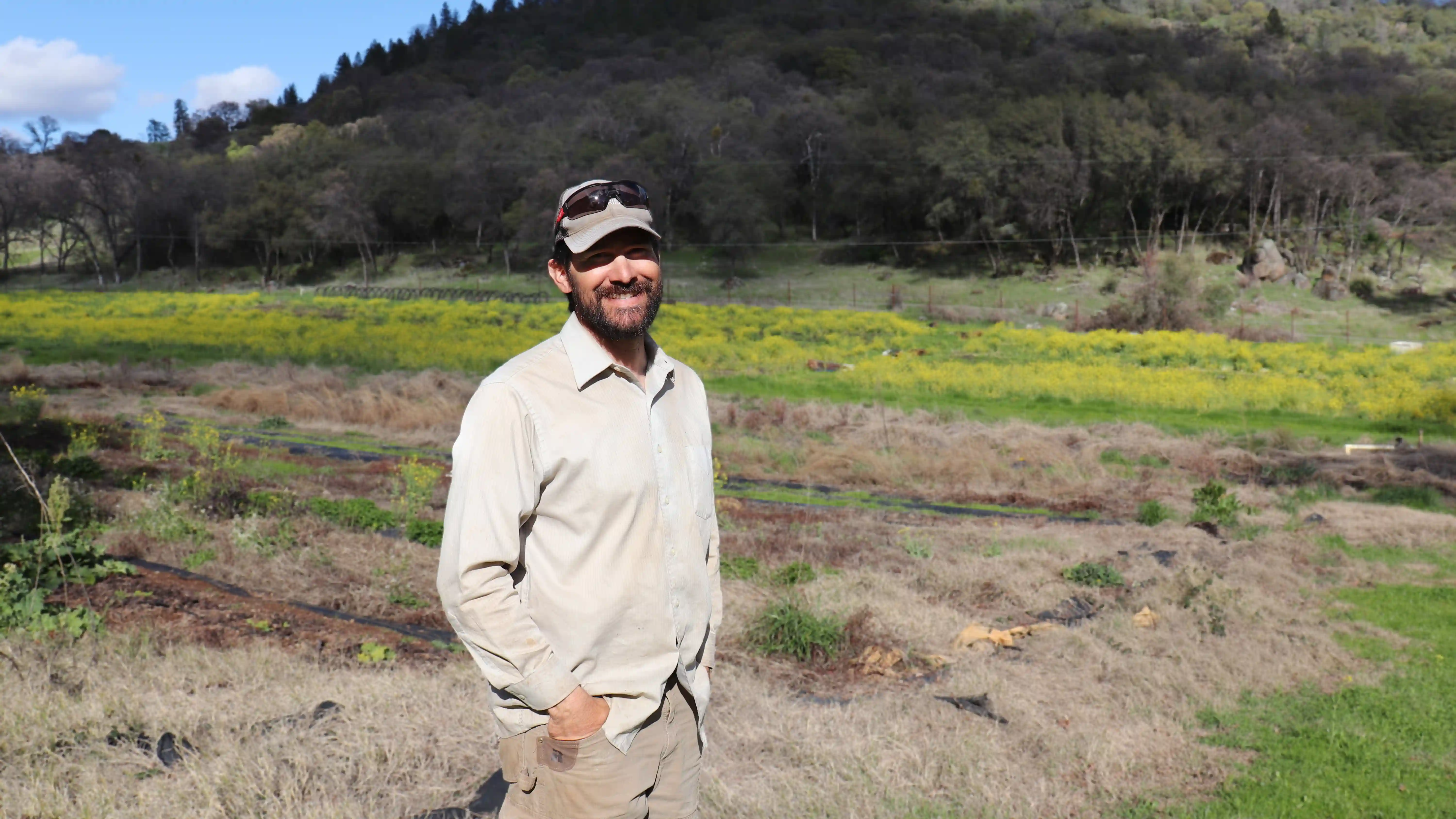
California FarmLink’s loan team generated unprecedented loan volume in 2024, connecting farmers, ranchers, and fishers with almost $13.4 million in capital with 40 loans. It was an especially strong year for land loans, 13 of which were deployed in 11 counties, totaling $7.8 million. With deeper cross-team integration than ever before, each loan applicant is assured an opportunity to gain business technical assistance from the very start of their application process. The Business Skills team leads an intake process that includes a brief financial and operational assessment, ensuring that a loan is the right fit and that capital is used effectively.
One major project in 2024 was the development of a custom-built Loan Portal, designed as a bilingual platform to support shared access to loan applications and underwriting information used by both the applicant and FarmLink staff. With borrower consent, loan data also supports personalized technical assistance, reducing application turnaround times and enabling better-informed decisions. The portal enhances transparency and allows loan officers and technical assistance providers to work more closely together. In addition to this tailored business support, borrowers may also qualify for discounted interest rates by completing FarmLink courses.
Loans to support access to public conservation incentive programs, which had been occasionally issued in past years, are now formalized as Conservation Bridge Loans offered at an interest rate that is half the normal rate.
Thanks to partnerships with Resource Conservation Districts (RCDs) in Monterey and Santa Cruz counties, more farmers than ever have applied for these bridge loans. They are examples of a partner ecosystem that results in referrals to affordable financing, loan guarantees, and ongoing technical assistance supporting client success.
“California FarmLink really understands small farmers. They’re willing to take a chance on people, especially those just starting out who don’t have a lot of collateral. Their support can make all the difference.” — Antonio Garza, Feeding Crane Farm


From Soil to Strategy: A Sustainable Path Forward
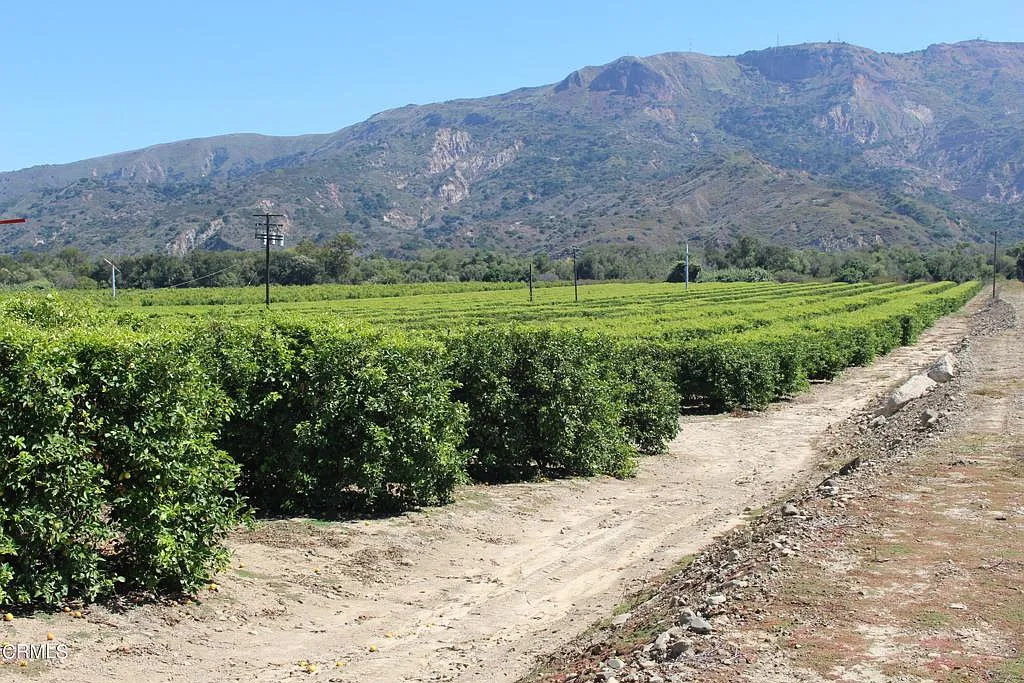
In 2002, Carlos Sanchez and his sister, Santa America Mendez, saw potential in a neglected 13-acre orchard in Santa Paula. Grounded in agricultural knowledge passed down through their family in Mexico, they saw the land not as it was, but as it could be.

Rather than seek quick returns, they prioritized education and planning. Carlos pursued agricultural coursework to strengthen his understanding of soil health, irrigation, and plant care. Santa brought her MBA and two decades of farm management experience to lead the business side. Together, they replanted the orchard with avocados and rebuilt the soil, infrastructure, and systems needed for a resilient farm. By 2024, the land was thriving, offering strong yields and environmental resilience.
With their initial farm thriving, Carlos and Santa identified a neighboring 28-acre property as a strategic opportunity to expand sustainably. The land included avocado and lemon trees, housing, and a working well, key components for long-term viability and diversification.
“We saw the new property as a way to strengthen our business,” Carlos said. “Diversifying with lemons and expanding thoughtfully helps us reduce risk, meet market demand, and create more jobs in our community.”
With a referral by the USDA Farm Service Agency, the siblings connected with California FarmLink. Through FarmLink’s low-interest loan program and personalized support from their loan officer, Alfredo Gonzalez, they secured the financing needed to move forward.
“Alfredo guided us through every step,” Carlos shared. “He made the process clear and took the time to ensure we understood everything. With his support, we reached a milestone we couldn’t have achieved on our own, and we are grateful for that.”
Now, Carlos and Santa will continue to grow their business with purpose, guided by sustainability, community insight, and strong partnerships. Their journey shows what’s possible when trust, knowledge, and access to capital come together.
“[Loan officer] Alfredo guided us through every step...With his support, we reached a milestone we couldn’t have achieved on our own, and we are grateful for that.” —Carlos Sanchez
Resilience and Wealth Building
The business resilience courses organized by the Resilience and Wealth Building (RWB) team—rooted in the Resilerator™ and El Resilerador™—have created a growing community of alumni among farmers, ranchers, and increasingly, fishers. In some ways, the courses are like business accelerators, but with an emphasis on long-term resilience and responsible practices rather than short-term profits. In 2024, the RWB team focused on enhancing these core offerings while expanding follow-up opportunities for graduates.
The first follow-up course was the Employment Resilerator™ which teaches how to be a great employer and improve job quality. In 2024, FarmLink provided 55 job quality incentives for course graduates, including, for example, creating an Illness and Injury Prevention Plan. To further support alumni, the RWB team sponsored participation at the Ecological Farming Conference, offering opportunities to attend workshops and reconnect with peers. A Spanish-language version of the Employment Resilerator was also delivered at EcoFarm. In total, 55 clients received support to attend the conference in January 2025.
“I appreciate the very clear content, the patient answering of questions, the sharing from other farmers, and the access to tools for improving my business skills.”
One central action item for clients has been to create a double-entry bookkeeping system. To meet this need, the team developed Bookkeeping in Practice, a new course specifically for Resilerator alumni. The course features QuickBooks training, including a recommended chart of accounts tailored to farms and ranches. Participants were also referred to other FarmLink programs to take advantage of loans, land tenure agreements, and business technical assistance.
While all these innovations took place, RWB remastered its Resilerador course, refining the educational experience by reconstructing the course materials to better serve course participants.
With continued investment in education for underserved farmers, FarmLink is helping build resilient, community-rooted businesses that serve as the foundation of local food systems.

Rooted in Resilience, Growing in Independence
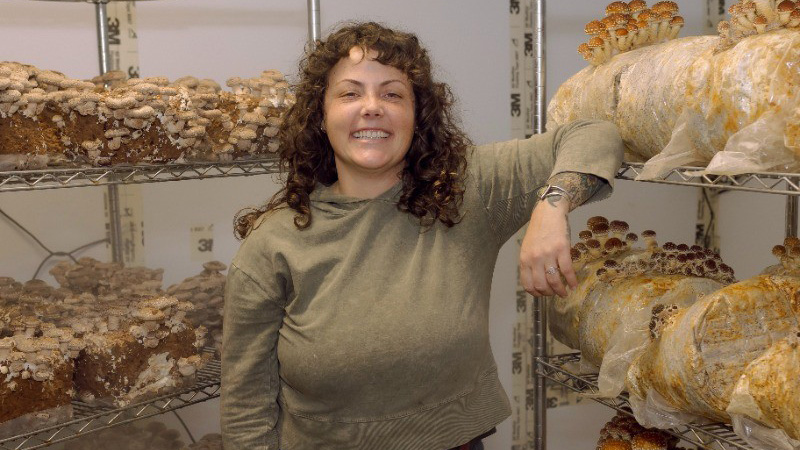
When Amanda Janney launched KM Mushrooms in Santa Rosa, she brought with her a deep commitment to growing high-quality food and building community. Like many small-scale farmers, Amanda felt more confident in cultivation than in managing the business side of farming.
That began to change in 2024 when Amanda enrolled in the Resilerator™ course. She heard about the course through her local farming network and decided it was time to strengthen the financial and operational foundation of her business. Throughout the course, Amanda explored areas she had previously avoided, including bookkeeping, taxes, insurance, and contracts. With the support of instructors and the encouragement of fellow participants, she began to shift her mindset. She hired a bookkeeper, started using Quickbooks, and created a plan to pay off debt and evaluate future equipment investments. Most significantly, she began preparing to purchase land where she can expand KM Mushrooms and build long-term security.
empower farmers to take control of their futures. Her journey shows that resilience is not just about enduring challenges, but about gaining the tools and confidence to grow a thriving, sustainable business.
“For the first time, I feel like I’m not just reacting. I’m planning. I’m making decisions based on where I want my farm to be in five or ten years, not just next season.” —Amanda Janney
Business Skills
FarmLink’s programs continue to evolve to meet client needs, providing holistic support across three core pillars: fair and affordable loans, good land tenure, and the knowledge and skills to grow and sustain a business with confidence. In 2024, the Business Skills team expanded its bilingual, one-on-one business advisory services and introduced new tools to help clients with financial and business acumen. Across all programs, FarmLink reached over 500 farmers and ranchers through education and technical assistance services.
A major focus in 2024 was Paso a Paso, a guidance framework delivered in Spanish to help beginning farmers build foundational business practices. Built with input from multiple FarmLink teams, Paso a Paso includes nearly 100 practices and benchmarks that help beginning farmers advance their knowledge in key business areas such as bookkeeping and financial records, cash flow management, insurance and risk mitigation, and access to capital.
A new project is also underway to aggregate real-world data from several farms to simulate a full year of financial and tax accounting. This initiative aims to create a practical and transparent learning tool for clients seeking to better understand financial reporting and tax preparation.
FarmLink develops tools not just for farmers, ranchers, and fishers, but also for the professionals who support them. A highlight of 2024 was the launch of the Tax Toolshed in the Resource Library on FarmLink’s website. It includes bilingual self-evaluation tools to determine what toolshed content should be read or watched, six educational videos in both English and Spanish explaining tax-related best practices, and downloadable bilingual presentation materials. The Tax Toolshed not only helps farmers navigate complex tax topics but also advances ag business knowledge among bookkeepers, tax preparers, and other service providers. Thirty business service providers attended FarmLink’s Evaluating and Supporting Clients course to deepen their expertise.
“I like how [the instructor] spoke on the intersectionality of finance, law, culture, history, and identity when it comes to running a farm business, especially small-scale farming.” —Evaluating & Supporting Clients course participant

SolarFresco deployed in '24

With SolarFresco™ FarmLink advances small farm innovation with pragmatic solutions for climate resilience by supporting limited-resource farmers to lead the transition to climate-smart cooling in agriculture. SolarFresco is a pilot program to provide solar-powered coolers to qualifying farmers. The units are 8x16 foot walk-in cooler boxes under a solar array that shades the cooler and an adjacent work area for packing and loading.
The SolarFresco cooler installations strengthen food systems by helping farmers reduce food waste, reduce reliance on conventional power, build equity in real assets, and sell in more profitable markets. To date, FarmLink has placed four coolers on farms, and is working to place six more. The coolers are manufactured in Oakland and installed on farms after extensive planning, permitting, and orientations on cooler operations.
The positive impacts already reported by the SolarFresco participants include: improved post-harvest quality, greater ability to store harvests and make delivery days more efficient, and better management of value-added inventory sold directly to consumers. Some farmers also report that they will plant more fall crops because they now have the ability to store them and sell them over longer periods in the winter season.
The SolarFresco pilot project intends to demonstrate how to use available tax credits and Farm Bill programs to make it affordable for small farms to implement climate-smart technologies that also increase profitability. Over the next two years FarmLink will support SolarFresco clients with tracking energy savings and measuring other impacts of the project.
Equity and Conservation on Working Lands
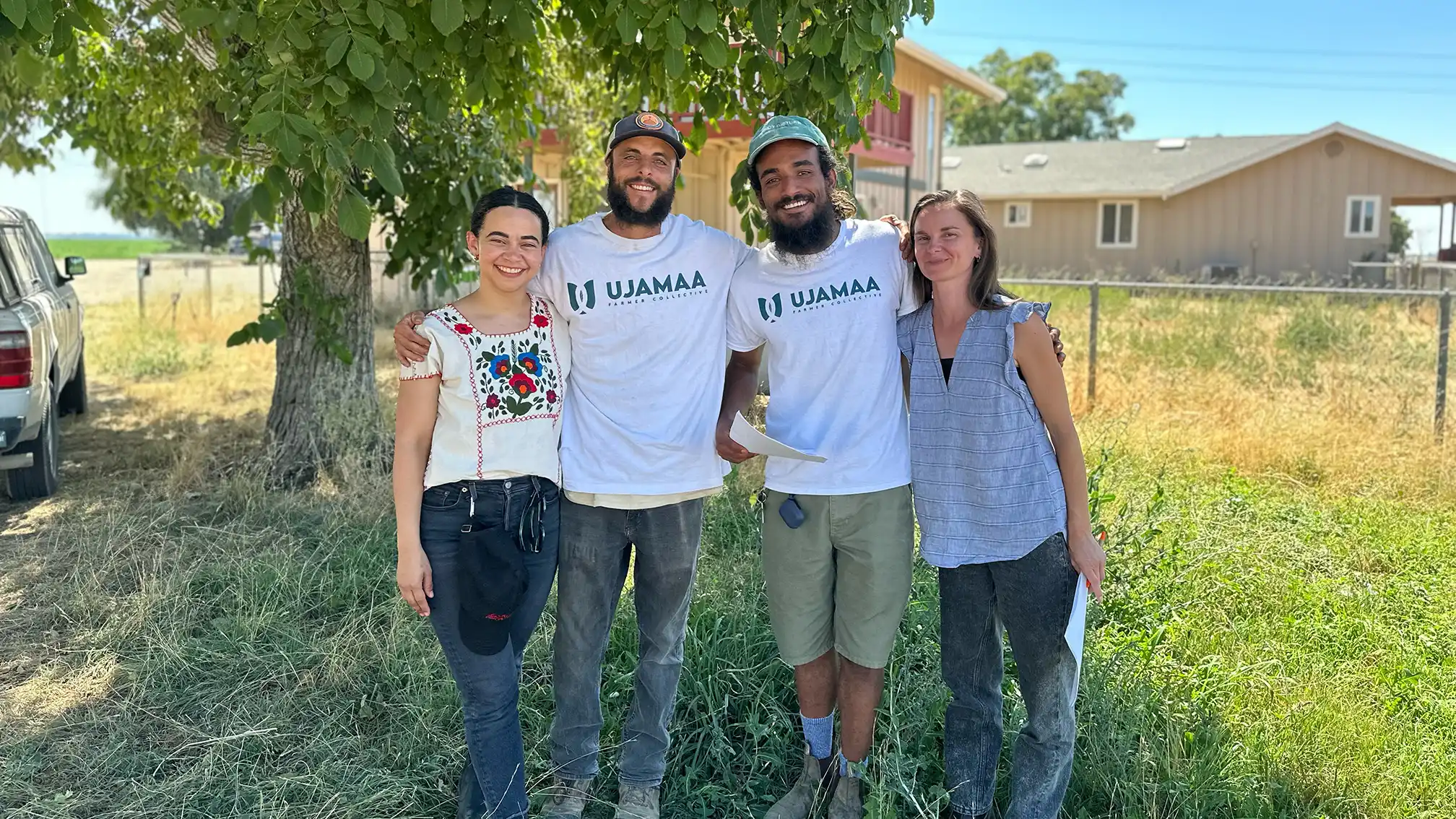
Land access and secure tenure are foundational for unlocking opportunities in agriculture, investing in climate resilience, and improving business stability. Throughout 2024, the Equity and Conservation on Working Lands (ECWL) team supported both individual clients and groups of beginning farmers working collaboratively towards secure land tenure. Every situation is unique, and FarmLink has built extensive resources: From a variety of specialized land lease clauses to structured processes that help families find common ground when planning for business succession.
Nearly 100 clients were served by ECWL’s work in 2024, in processes that can often take months to form agreements establishing good land tenure to meet the needs and expectations of everyone involved. These processes, often bridging Spanish- and English-speaking parties, and always layered in complexity, resulted in 49 agreements across 16 counties.
The ECWL team also covered new ground by working in tandem with the loan program to assist clients with access to conservation bridge loans. Clients referred by Resource Conservation Districts through a newly developed intake process were oriented to FarmLink’s loans, opening doors to public cost-share programs that are often out of reach for small-scale farmers due to limited cash flow. ECWL’s expertise in land tenure, program administration, and technical assistance proved vital in supporting 11 clients who participated in this 2024 pilot phase.
In addition, forty individuals comprising six farm succession teams participated in The Regenerator: A Year of Farm Succession Planning, which wrapped up in November. Participants engaged in monthly educational cohort sessions as well as private technical assistance covering legal and financial topics alongside family communication strategies. Core subjects included estate administration, business valuation, retirement planning, knowledge transfer, and succession financing.
“Such a beneficial program for farmers and families. Very lucky to have been part of a wonderful program, and will continue to share and take advantage of future FarmLink programs and services. Amazing asset!" —Succession Planning participant