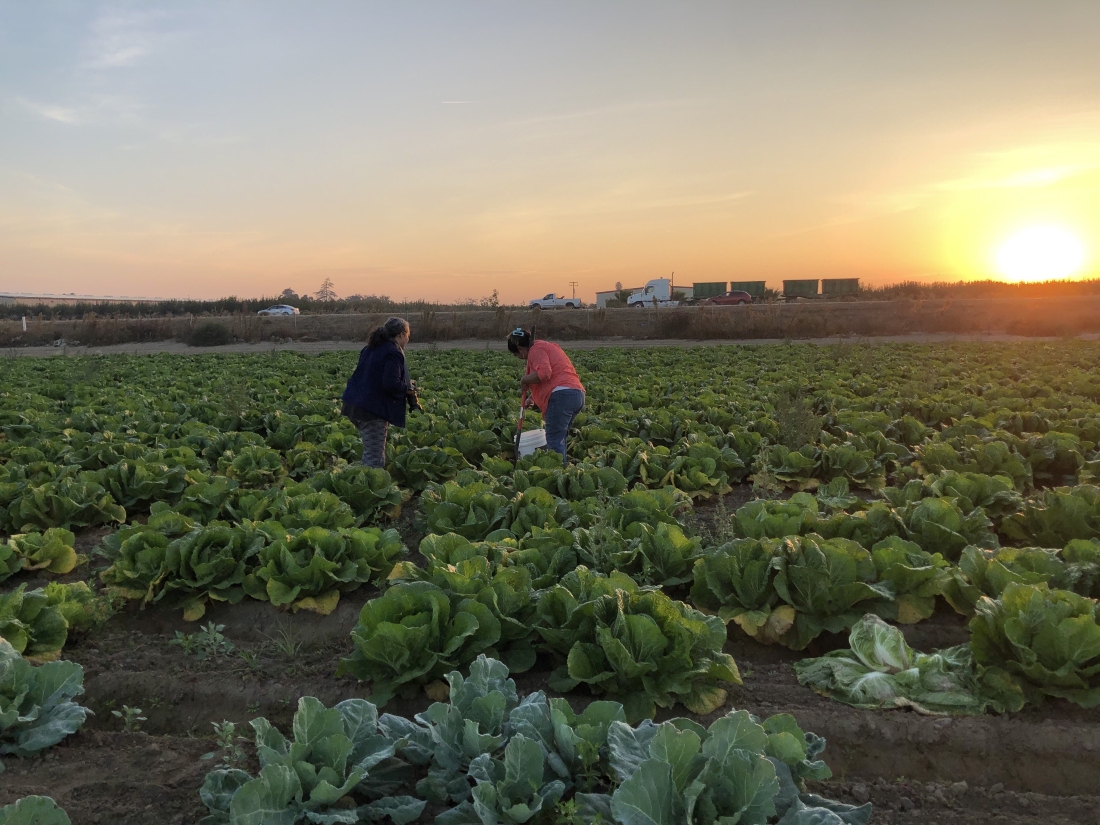
Among the people California FarmLink serves, there’s a common thread: all rely on natural resources for their livelihoods. Our focus on natural resource-based businesses sets us apart among community development financial institutions. Creating equitable opportunities for the farmers we serve to conserve natural resources and lead in climate change adaptation is a key pillar that drives our work at California FarmLink. So when the California Department of Food and Agriculture (CDFA) sought public comment on its Climate Resilience Strategy for California Agriculture in October, we wanted to share our unique perspective.

We wrote in general support of the draft strategy, and in particular we support:
- Its focus on equity for California’s diverse farming population and rural communities
- Strategies that reduce financial risks associated with climate impacts
- Expanded technical assistance for small-scale farmers implementing climate-smart practices
Our comments focus on climate concerns facing small-scale farmers, farmworkers and rural communities. We wrote, “Too often, these communities, who are the backbone of California’s rural and agricultural economies, are left out of agriculture policy conversations entirely. And while we know there are many areas of jurisdiction that govern policies that impact agricultural workers as well as rural infrastructure, there is a clear and vital role for CDFA to play in addressing the myriad of challenges facing these communities.”
Financial solutions for climate resilience
Supporting financial risk reduction for farmers was CDFA’s first strategy, which we appreciate. We proposed the inclusion of a disaster line of credit option, and wrote, “We know that farmers across the state are on the frontline of climate change, and already seeing impacts on their livelihoods. We are supportive of the measures proposed, including CDFA investments to scale up parametric insurance1 options for farmers. We think it would be most strategic to consider credit and insurance together since credit and insurance go hand in hand in supporting disaster recovery.”
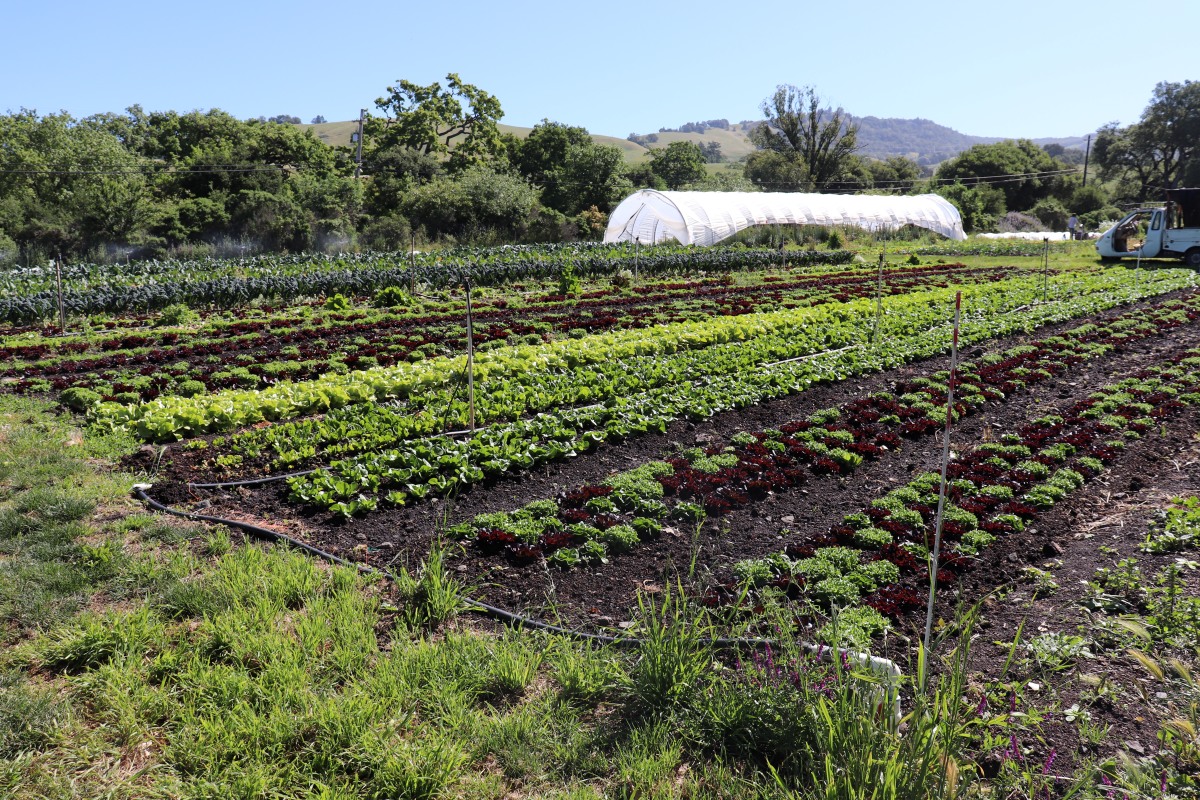
We proposed that the State of California create a new program to offer farmers access to a disaster line of credit designed to be available immediately upon the declaration of a disaster, adding that, “Too often producers use all available cash reserves for immediate loss mitigation and even after insurance and credit payments arrive they remain short of operating cash for months and years while recovering.”
Expanding on financial relief, we proposed exploring non-crop insurance options, such as when markets are lost due to road closures in a wildfire. While the farm may be spared, its sales and operations can be severely disrupted. We also recognize that workers can be left behind when disaster strikes. Farmworker communities often bear the brunt in well-insured crops like citrus. If there is a freeze in citrus, the farmers get paid from the crop insurance program, yet workers lose employment and communities are left to meet urgent basic needs with limited resources.
Our experience working with underserved farmers affected by climate chaos informs our comments on federal crop insurance. Important aspects of federal crop insurance need to be improved to better serve California farmers and ranchers as they respond to climate change. In particular, we would like to see:
- Improvements to insurance and disaster payments for trees and other perennial crops (to date these federal programs have not worked well in California and have not been widely adopted), and
- Expansion of CUSP, the California Underserved and Small Producers Program, to include other climate-related disasters farmers might face in the future, beyond drought alone.
Business resilience supports climate resilience
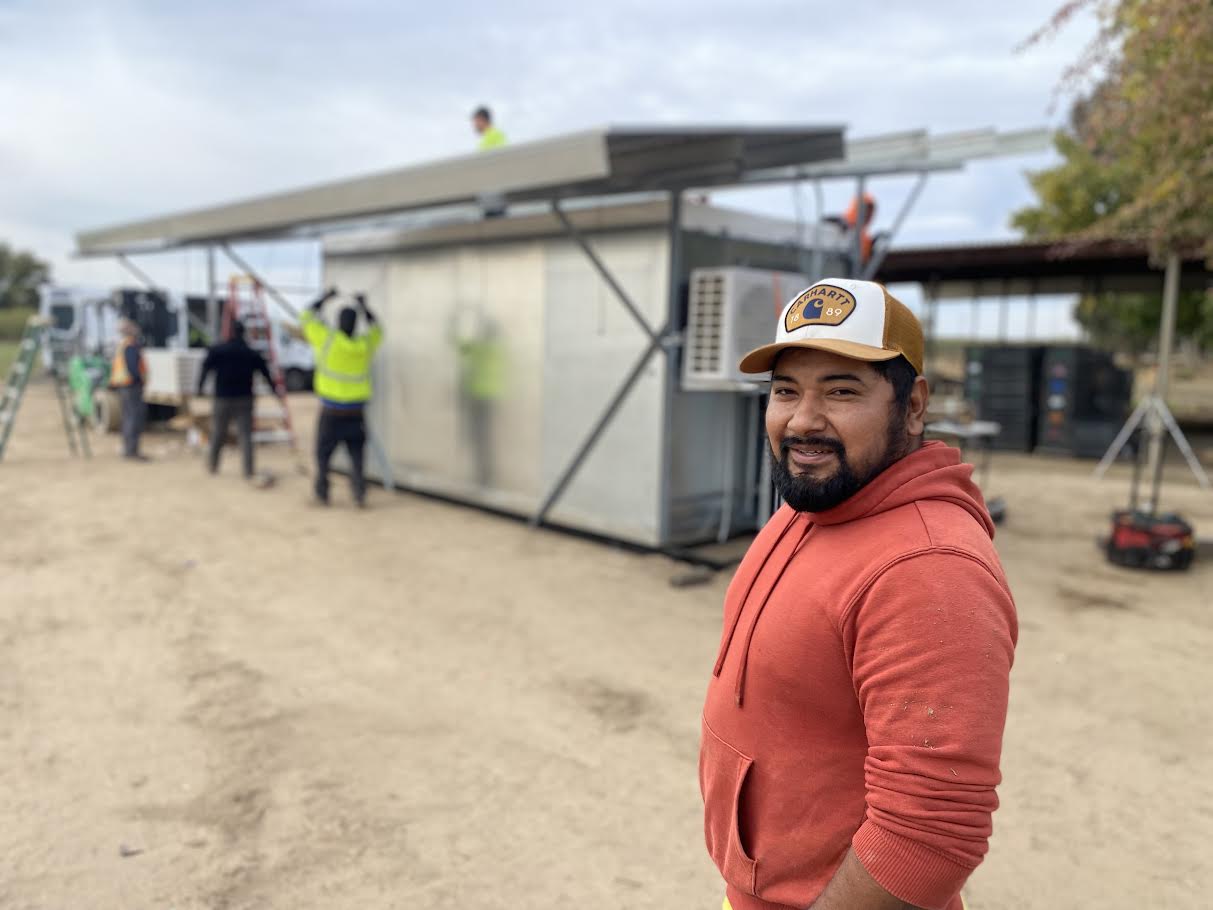
When looking at research and development needs, we called for support of renewable energy projects for small-scale farms, including solar-powered coolers like SolarFresco. Off-grid coolers can benefit small farms with cost savings while supporting a more diverse and distributed local food system infrastructure. This type of technology contributes to business resilience by reducing the frequency of deliveries, potentially diversifying markets, and avoiding costly electricity bills.
We especially support CDFA’s proposed strategy, “Strengthen farm-to market pathways, direct-to-consumer sales, procurement opportunities, and localized processing to reduce reliance on vulnerable supply chains.” We urged CDFA to address climate-related market disruptions impacting direct-to-consumer producers.
California agriculture is not separate from agricultural labor
It is essential to consider how to include agricultural labor in every aspect of climate adaptation and specific strategies focused on agricultural labor. We wrote, “Unfortunately, the strategies outlined in the draft report are not responsive to the health and educational disparities [noted above]. We believe that farmworkers should have access to affordable, safe, stable, and climate-resilient housing options. We understand that rural and/or farmworker housing may not be under the sole jurisdiction of CDFA – we urge the Department to work with other agencies to ensure that affordable farmworker housing is adequately addressed in the final report. This is a fundamental quality-of-life issue that will only worsen with climate change.”
We also suggested that CDFA include strategies that address health disparities such as supporting access to clean water, green spaces, community and mobile health clinics, telehealth, and healthcare transportation and lodging for rural communities, including farmers, farmworkers, and their families.
All hands on deck for California agriculture’s climate resilience
Ultimately we are all stakeholders in how California agriculture chooses to adapt and support climate resilience. We urged the CDFA to incorporate the recommendations of California’s Agricultural Land Equity Task Force, expand support for Resource Conservation Districts, support lenders’ collection of climate metrics from farmers and ranchers, and prioritize strategies to increase biodiversity.
We’re encouraged by CDFA’s commitment to climate resilience for California agriculture, and grateful to the partners who helped shape our comments. The full public comment we submitted is available here.
1 This is a non-traditional type of insurance designed to rapidly provide a pre-defined payout when certain conditions are met, but may not fully cover all losses.