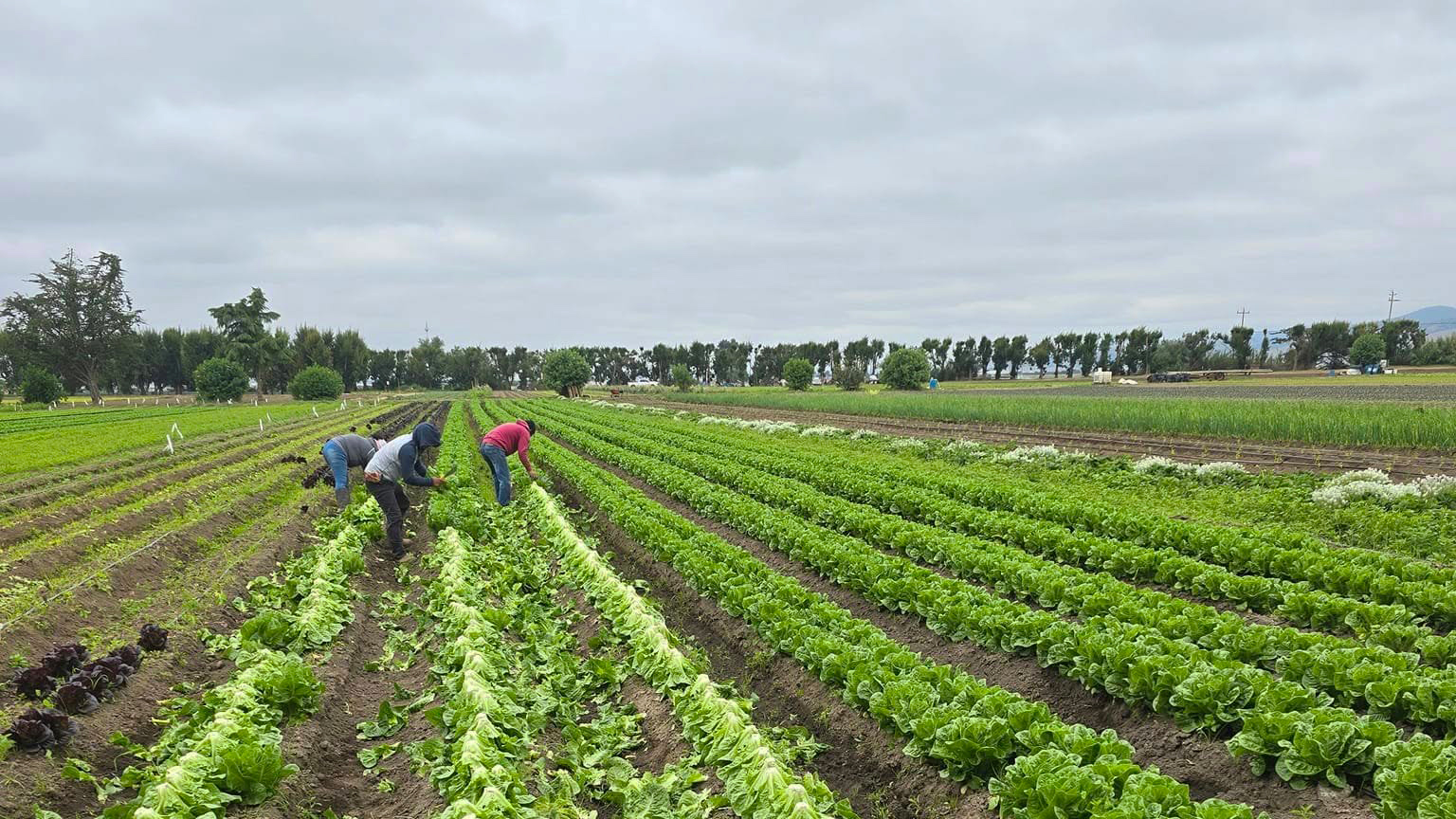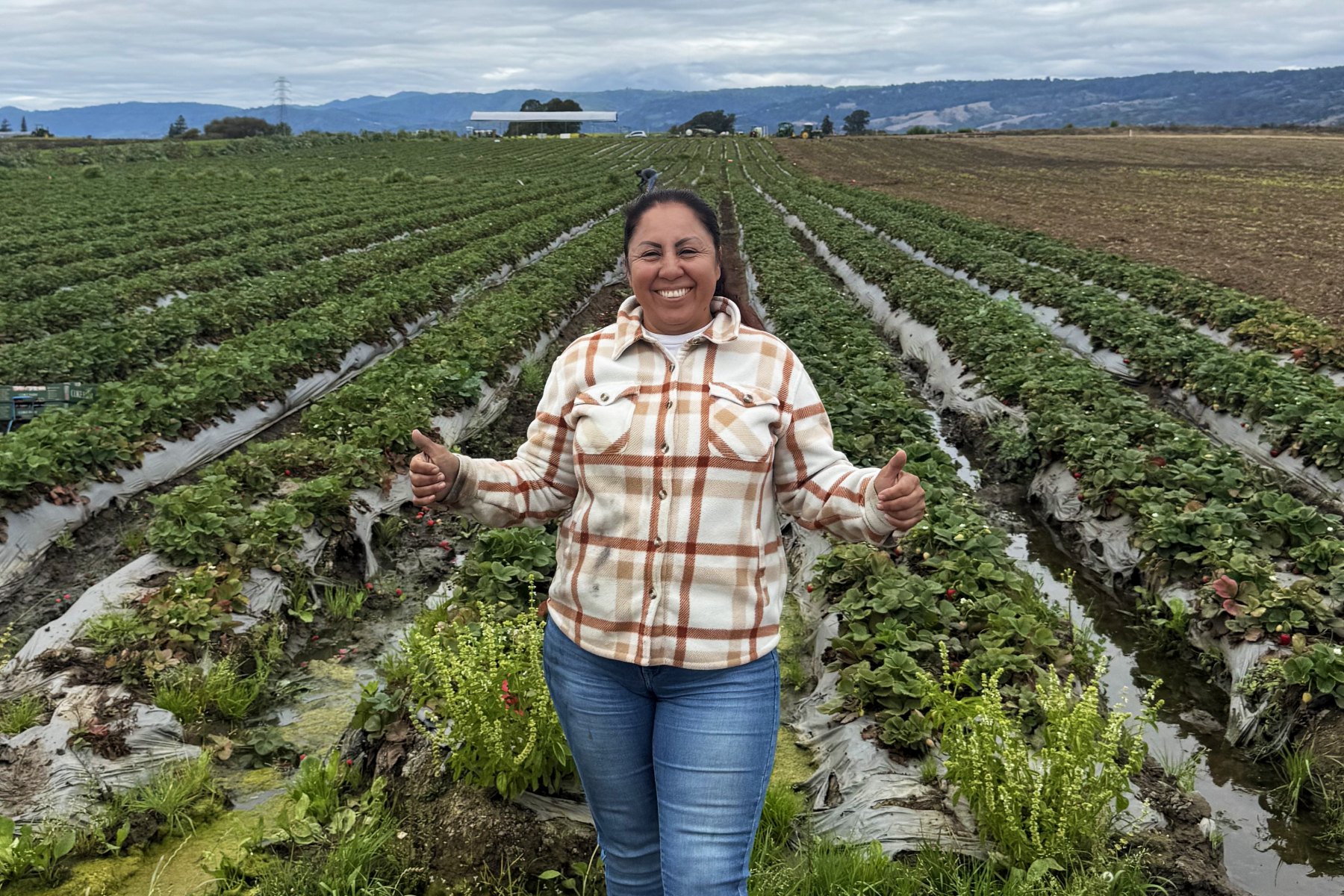
Conservation programs are available to help California farmers invest in climate-smart practices. Yet small-scale farmers face a persistent barrier: these programs require upfront payment, often tens to hundreds of thousands of dollars, before any reimbursement arrives. Even when farmers know exactly what their operations need, the funding gap keeps critical investments out of reach.
Yadira Mendiola, owner of Queen of Vegetables in Salinas, experienced this barrier firsthand. Despite knowing exactly what her farm needed, she couldn't move forward without upfront capital.
"As small farmers, we don't have the cash flow to use these types of programs," Yadira explains. "The upfront costs are just too much for us to carry while waiting for reimbursement."
California FarmLink's Conservation Bridge Loan program was created specifically to bridge this gap, allowing farmers like Yadira to start conservation projects immediately. By providing loans with interest rates as low as 0% that are repaid only after farmers receive their conservation reimbursements, we remove the financial barrier that has kept too many farmers from accessing these programs.
"Bridge loans are a good option for us small farmers who don't have the capital for investment," she says. "As the project advances, you have access to the capital. You know you don't have to worry about it because the money is there when it's going to be needed."
Bringing Conservation Plans to Life
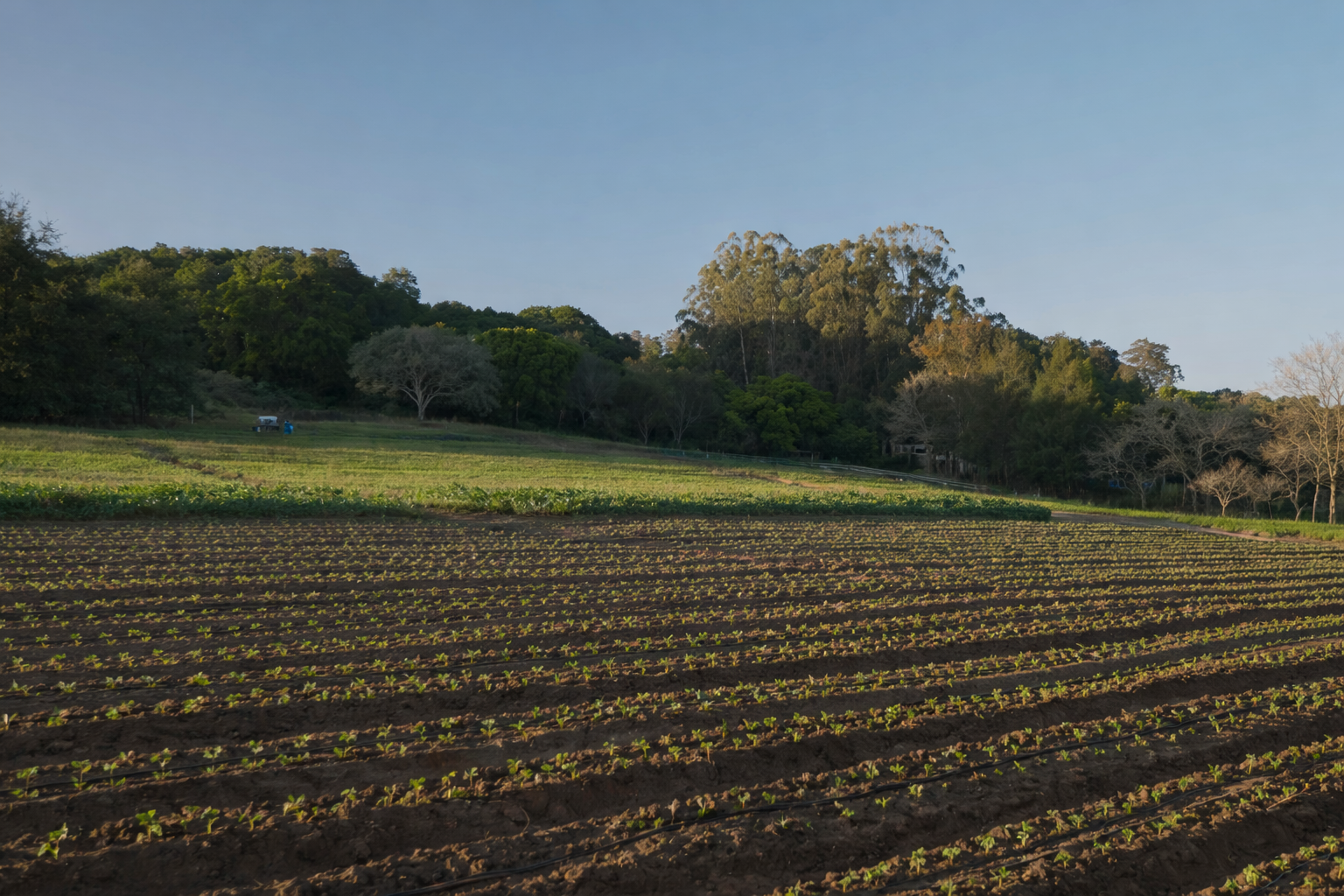
Yadira chose the State Water Efficiency and Enhancement Program (SWEEP) to fund her planned upgrades, a program that helps farmers reduce water use, save energy, and cut greenhouse gas emissions through modern irrigation technology like drip systems, soil sensors, and automation.
Her conservation plan focuses on two interconnected systems: energy efficiency through solar power and water management through advanced irrigation technology. She installed solar panels on her water pump, ensuring continuous operation while dramatically reducing electricity costs. "We use electricity, but at the same time we use solar energy, which saves us on electric bills," she notes.
But the real game-changer lies in the water technology she's implementing. Yadira is moving toward a fully automated irrigation system that includes tensiometers, devices that measure soil moisture levels to optimize watering schedules. "We're programmed to install tensiometers as well," she confirms, noting that this technology is a crucial learning opportunity for her operation.
The tensiometer system works in conjunction with automated irrigation controls, similar to residential sprinkler systems but scaled for agricultural production. "The irrigation system is set up automatically like having sprinklers in your house, where everything is open but the automatic system takes care of opening and closing," she explains. This level of automation eliminates the risk of over- or under-watering crops due to human error.
Measuring Impact
Yadira estimates she's saving approximately 40 hours of labor per week, amounting to roughly $800 weekly or nearly $40,000 annually in reduced labor costs. With the automated pump system already in place, workers no longer need to manually start the pump; it activates automatically based on programmed schedules.
Beyond labor savings, consistent irrigation has improved production quality. "When you have a system that's well-established, you get better production," she says. "The irrigation is constant, you didn't miss it, you didn't forget to turn it on. You didn't lose the strawberries, the crops didn't dry out."
Why Support Matters
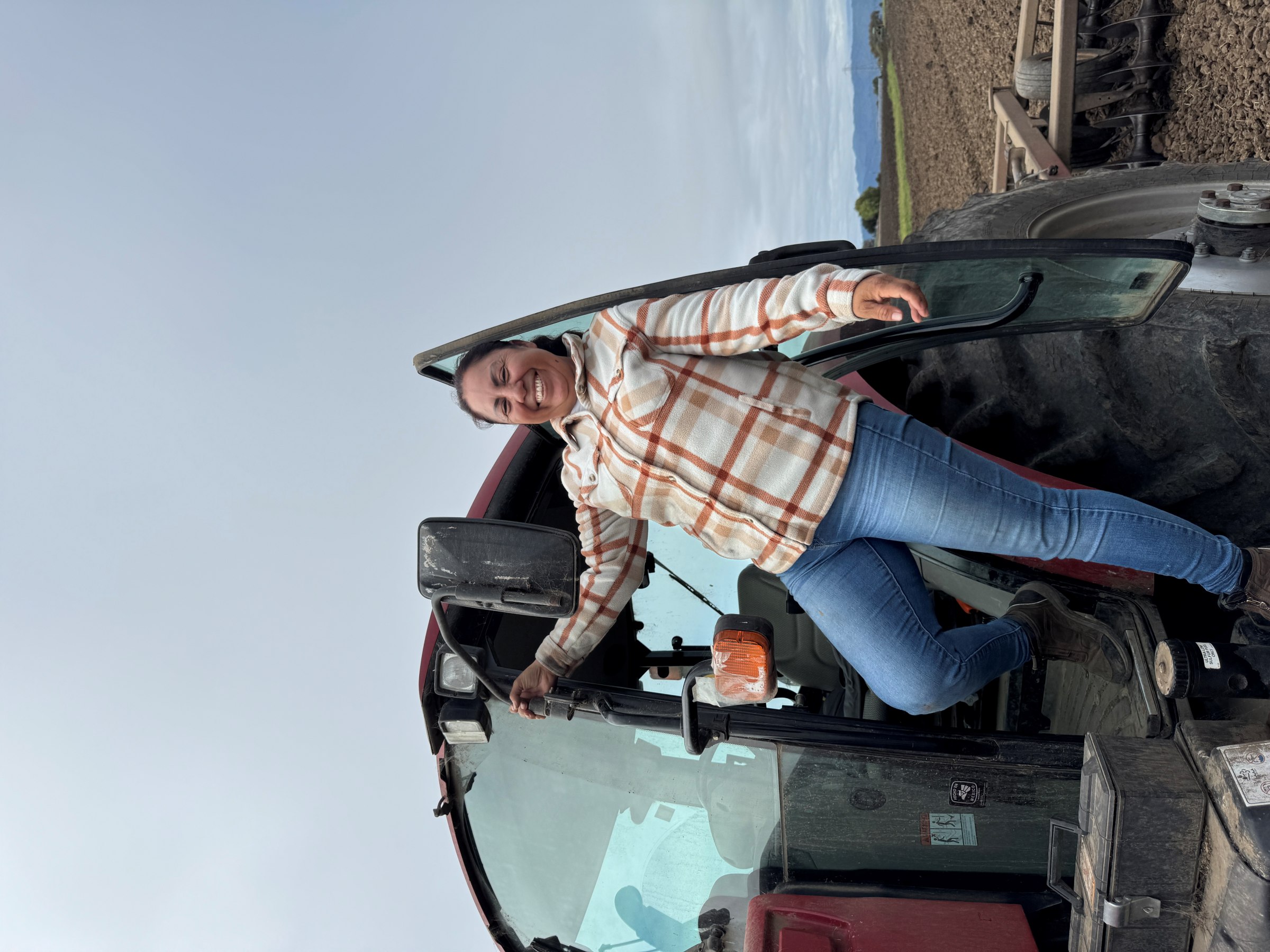
For Yadira, the financing mattered, but technical support mattered just as much, a reminder that access to capital alone isn't enough. She first learned about conservation programs through Laura Murphy from the Resource Conservation District (RCD) of Monterey County, who assisted her when she acquired new land and helped design her conservation plan. For the bridge loan specifically, she worked with FarmLink staff members Tito Ortega, Loan Officer, and Asia Hampton, Business Skills Advisor, who provided technical assistance through the application process. In Mediola’s experience, she noted,
"FarmLink not only gives you the loan but also provides the resource of having someone helping you through the process."
A Message to Other Farmers
Yadira wants her story to encourage others not to be intimidated by these programs. “The support is there. The key is knowing how to look for it, and, above all, letting ourselves be guided by organizations. I think we need to trust.”
She acknowledges the skepticism some farmers have about outside assistance but encourages her peers to move past it. "Organizations have trained teams, professionals ready to handle all the paperwork and documentation,” she says. "I think we need to trust, trust in the different projects they have for us small farmers."
For small-scale farmers like Yadira, conservation bridge loans are a pathway to operational efficiency, environmental stewardship, and economic sustainability. When financial barriers are removed and support is provided, farmers can implement conservation practices that benefit their operations, their communities, and the environment.
Take the Next Step
If you're a farmer interested in implementing conservation practices on your farm, start by connecting with your local RCD, USDA Natural Resources Conservation Service (NRCS), or another technical service provider. They can help you design your conservation plan and navigate grant applications for programs like SWEEP, EQIP, Healthy Soils, and the Carl Moyer Program
Once you have a conservation plan in place, apply for a Conservation Bridge Loan with California FarmLink at cafarmlink.org/lending.
FarmLink greatly appreciates the generous contribution from the Mastercard Impact Fund, with support from the Mastercard Center for Inclusive Growth for supporting this work, in partnership with expertise from the Resource Conservation District of Santa Cruz County.