Note from the CEO

Dear friends,
Despite a chaotic year in which federal programs supporting economic opportunity in agriculture began to be dismantled, our work achieved new milestones. Ten clients, including Yadira Mendiola (see below), received new Conservation Bridge Loans, supporting access to conservation programs that would have otherwise been out of reach. We’re on track for deploying more than $11 million in fair and affordable loans by year-end, including $6 million in land loans.
With our winter, slower-season educational courses soon to start, we’re delivering a new course with Bookkeeping in Practice, along with the Employment Resilerator being offered in Spanish. Our momentum in building knowledge for business resilience is in strong demand, with an all-time high of 89 applications for the recently completed Resilerator course.
Our work plan for 2026 includes engaging policymakers, expanding equitable access to land, and continuing to develop farm housing loans, some of which we’ll be able to announce next year. We’re grateful for the generous support that has enabled our team to continue our work unabated. Your contribution makes it possible to deliver program innovation and policy advocacy. Please donate today. Thank you.
Warmly,
Reggie Knox
CEO
Table of Contents
SolarFresco coolers making an impact for small farms
Can solar-powered, off-grid coolers be game changers for small farmers? We’ve developed SolarFresco™ – featuring 8 x 16-feet coolers – as a pilot program aimed at helping farmers with limited resources to build wealth and resilience. Recently we completed the pilot’s first year helping small-scale farmers lead the transition to more climate-smart technologies.
Solar cooler project manager, Fernando Garcia, recently reported, “We’ve learned so much in the first year, including permitting, installation, and technical performance. In 2026, we’ll focus on learning how the technology is impacting farmers’ business resilience.” The program includes business technical assistance to understand the program’s benefits. SolarFresco will also illustrate a framework for how impact investment and policy change can support resilient food systems. Learn more here.
From Plan to Practice: How Bridge Loans Make Conservation Possible
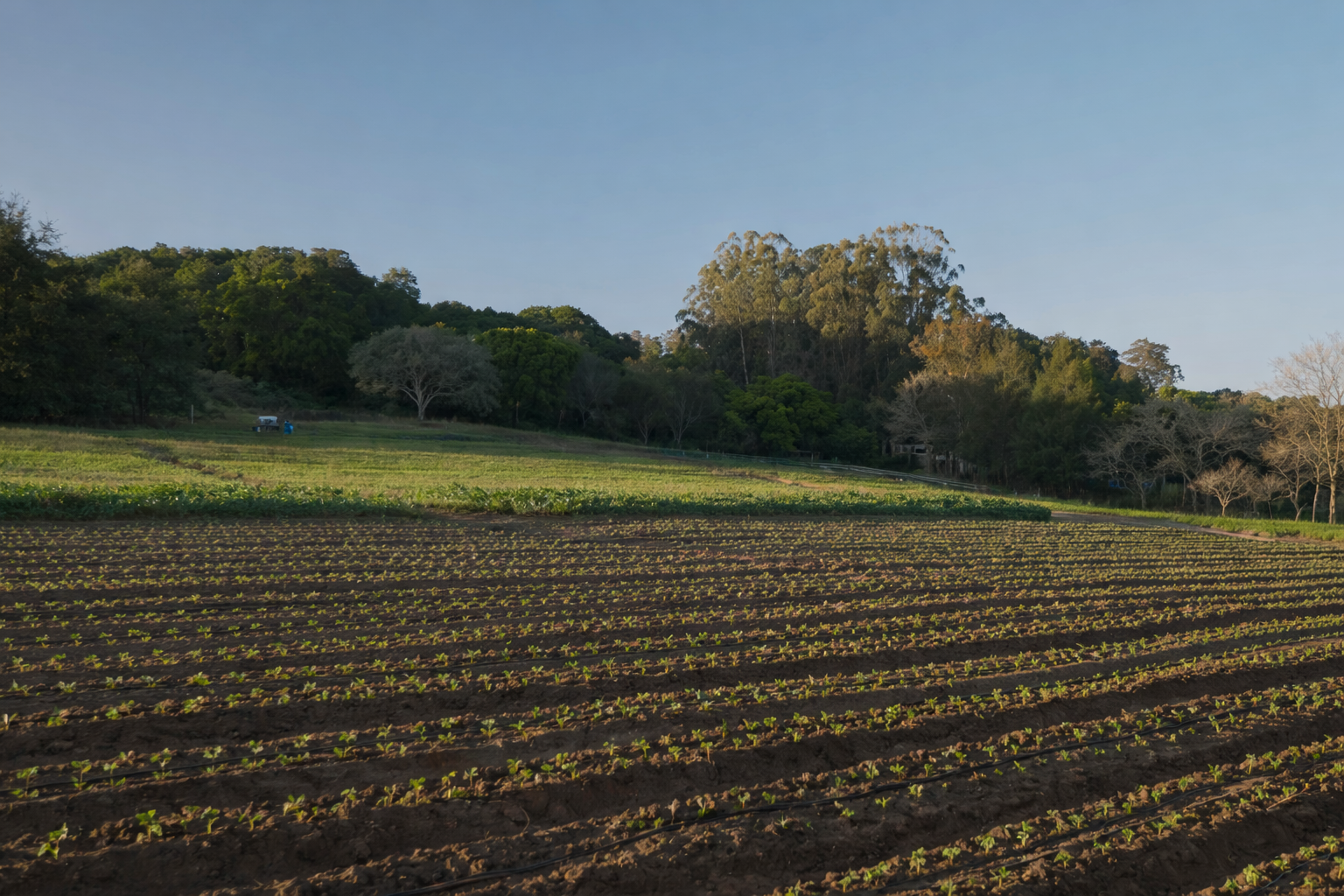
Conservation programs are available to help California farmers invest in climate-smart practices. Yet small-scale farmers face a persistent barrier: these programs require upfront payment, often tens to hundreds of thousands of dollars, before any reimbursement arrives. Even when farmers know exactly what their operations need, the funding gap keeps critical investments out of reach.
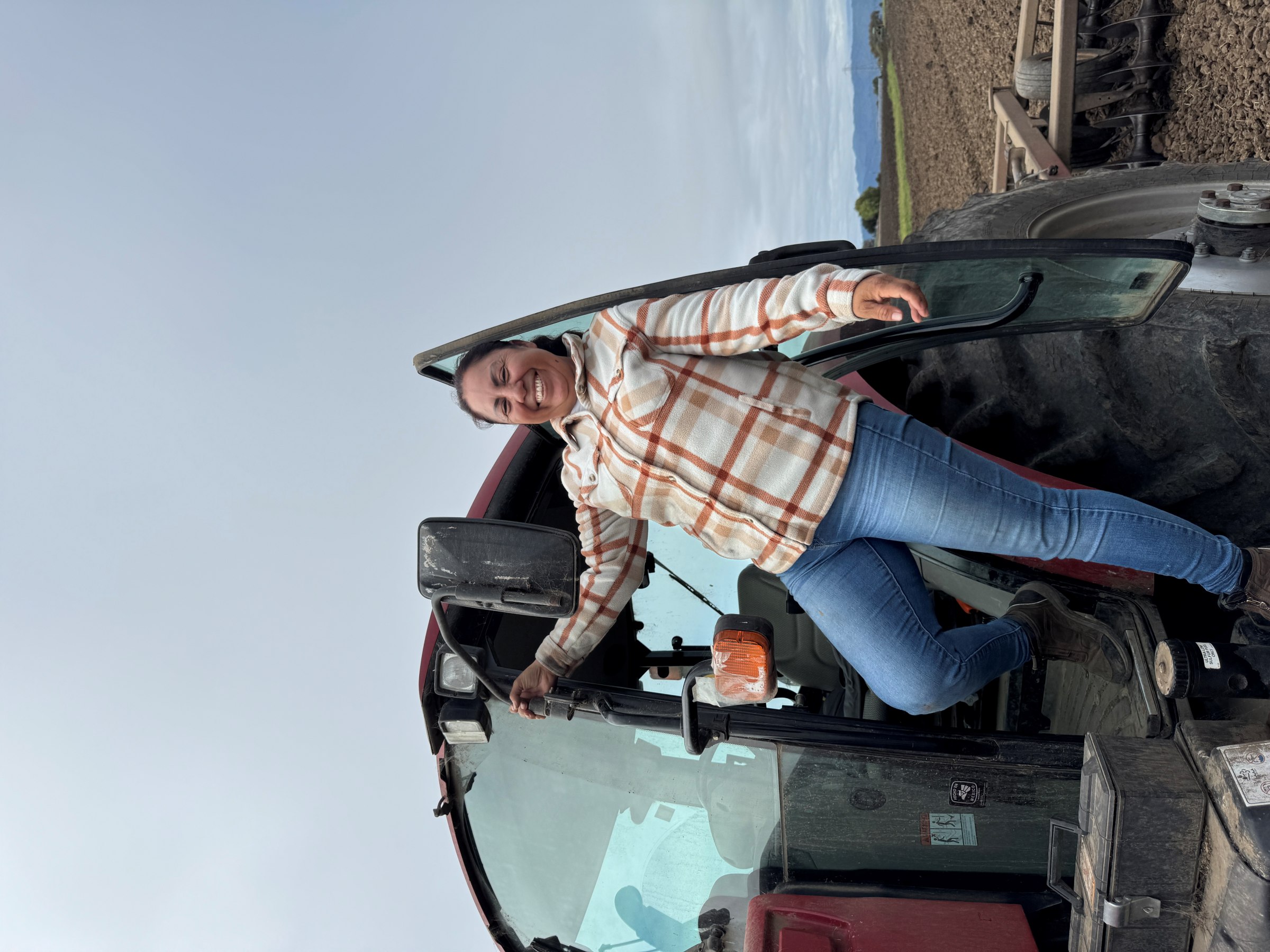
Yadira Mendiola, owner of Queen of Vegetables in Salinas, experienced this barrier firsthand. Despite knowing exactly what her farm needed, she couldn't move forward without upfront capital.
"As small farmers, we don't have the cash flow to use these types of programs," Yadira explains. "The upfront costs are just too much for us to carry while waiting for reimbursement."
California FarmLink's Conservation Bridge Loan program was created specifically to bridge this gap, allowing farmers like Yadira to start conservation projects immediately. By providing loans with interest rates as low as 0% that are repaid only after farmers receive their conservation reimbursements, we remove the financial barrier that has kept too many farmers from accessing these programs.
"Bridge loans are a good option for us small farmers who don't have the capital for investment," she says. "As the project advances, you have access to the capital. You know you don't have to worry about it because the money is there when it's going to be needed."
Bringing Conservation Plans to Life
Yadira chose the State Water Efficiency and Enhancement Program (SWEEP) to fund her planned upgrades, a program that helps farmers reduce water use, save energy, and cut greenhouse gas emissions through modern irrigation technology like drip systems, soil sensors, and automation.

Her conservation plan focuses on two interconnected systems: energy efficiency through solar power and water management through advanced irrigation technology. She installed solar panels on her water pump, ensuring continuous operation while dramatically reducing electricity costs. "We use electricity, but at the same time we use solar energy, which saves us on electric bills," she notes.
But the real game-changer lies in the water technology she's implementing. Yadira is moving toward a fully automated irrigation system that includes tensiometers, devices that measure soil moisture levels to optimize watering schedules. "We're programmed to install tensiometers as well," she confirms, noting that this technology is a crucial learning opportunity for her operation.
The tensiometer system works in conjunction with automated irrigation controls, similar to residential sprinkler systems but scaled for agricultural production. "The irrigation system is set up automatically like having sprinklers in your house, where everything is open but the automatic system takes care of opening and closing," she explains. This level of automation eliminates the risk of over- or under-watering crops due to human error.
Measuring Impact
Yadira estimates she's saving approximately 40 hours of labor per week, amounting to roughly $800 weekly or nearly $40,000 annually in reduced labor costs. With the automated pump system already in place, workers no longer need to manually start the pump; it activates automatically based on programmed schedules.
Beyond labor savings, consistent irrigation has improved production quality. "When you have a system that's well-established, you get better production," she says. "The irrigation is constant, you didn't miss it, you didn't forget to turn it on. You didn't lose the strawberries, the crops didn't dry out."
Why Support Matters
For Yadira, the financing mattered, but technical support mattered just as much, a reminder that access to capital alone isn't enough. She first learned about conservation programs through Laura Murphy from the Resource Conservation District (RCD) of Monterey County, who assisted her when she acquired new land and helped design her conservation plan. For the bridge loan specifically, she worked with FarmLink staff members Tito Ortega, Loan Officer, and Asia Hampton, Business Skills Advisor, who provided technical assistance through the application process. In Mediola’s experience, she noted, "FarmLink not only gives you the loan but also provides the resource of having someone helping you through the process."
A Message to Other Farmers
Yadira wants her story to encourage others not to be intimidated by these programs. “The support is there. The key is knowing how to look for it, and, above all, letting ourselves be guided by organizations. I think we need to trust.”
She acknowledges the skepticism some farmers have about outside assistance but encourages her peers to move past it. "Organizations have trained teams, professionals ready to handle all the paperwork and documentation,” she says. "I think we need to trust, trust in the different projects they have for us small farmers."
For small-scale farmers like Yadira, conservation bridge loans are a pathway to operational efficiency, environmental stewardship, and economic sustainability. When financial barriers are removed and support is provided, farmers can implement conservation practices that benefit their operations, their communities, and the environment.
Take the Next Step
If you're a farmer interested in implementing conservation practices on your farm, start by connecting with your local RCD, USDA Natural Resources Conservation Service (NRCS), or another technical service provider. They can help you design your conservation plan and navigate grant applications for programs like SWEEP, EQIP, Healthy Soils, and the Carl Moyer Program.
Once you have a conservation plan in place, apply for a Conservation Bridge Loan with California FarmLink at cafarmlink.org/lending.
Introducing Resilerador Laboral, the Spanish-language version of The Employment Resilerator

We're excited to announce the launch of Resilerador Laboral, the Spanish version of The Employment Resilerator™ course, in 2026. This new program is designed exclusively for Resileradores (Resilerador™ graduates) who want to take the next step to becoming better employers.
The course equips participants with employment best practices to foster a culture of growth and collaboration within their agricultural operations. From hiring and retention to compliance and workplace culture, participants will dive deeper into the complexities of labor management.
The course will be held in person in Salinas every Wednesday from January 28 to February 25, 2026, from 10:00 AM to 1:00 PM. Classes will be led by experienced instructors who understand the unique challenges facing farm employers.
We look forward to supporting Resileradores as they continue their journey toward building stronger, more resilient agricultural businesses.
El Resilerador Accepting Applications for Central Valley Cohort
.png)
We're accepting applications for El Resilerador™ in the Fresno region! Our Spanish-language business course is coming to the region for the first time, providing Spanish-speaking farmers with two or more years of experience the tools to grow and strengthen their businesses.
The course will run from February 3 to March 17, 2026, every other Tuesday from 10:00 AM to 2:00 PM in Fresno. Participants will learn practical skills in business structure, labor practices, record-keeping, taxes, and more, all designed to build resilience and a strong financial foundation.
Applications are open through the first week of January 2026. Spanish-speaking farmers in Fresno County and surrounding areas are encouraged to apply. For questions or assistance with registration, please contact our team.
Spread the word and don’t miss this chance to build resilience and long-term success for your business. Learn more and register here.
FarmLink brings its voice to CDFA climate resilience strategy

There’s no question that climate chaos is impacting California agriculture, and this fall the California Department of Food and Agriculture (CDFA) shared and invited public comment on its Climate Resilience Strategy for California Agriculture [link]. FarmLink responded in a nine-page letter based on our experiences mobilizing disaster relief loans and financial assistance for farmers and ranchers impacted by weather extremes. The CDFA’s strategy is a timely investment for agriculture and rural communities, and FarmLink is particularly supportive of how the strategy includes: 1) a focus on equity for California’s diverse farming population and rural communities, 2) strategies to reduce the financial risk associated with climate realities, and 3) expanded technical assistance for climate-smart practices and technologies that are relevant for small-scale farms. We’ll be following CDFA's continued leadership on climate resilience for California agriculture.
Farmers, ranchers, and fishers acting on knowledge gained in the Resilerator
In recent weeks, clients who have completed the Resilerator™ course over the past few years have been completing follow-up Resilience Self Assessments. When people join the program, the RSA is their first assignment: reporting about their business management knowledge and practices, on topics such as accounting, taxes, and credit. Participants get a new perspective on their businesses while helping our team to understand their learning priorities.
We’re grateful for those who have repeated the assessment (no small task at 120+ questions) to help us track progress over time. Melissa Gordon, Program Manager, Resilience and Wealth Building, has been leading the assessment. In a blog post, she reports how the RSA scores have improved over time: “We cannot say the Resilerator course caused the changes in scores. Participants had 2-5 years of additional business experience... However, taking the Resilerator was certainly an important influence on a business and made it clear that the course topics in our analysis are foundational for business resilience.”
Read more about the RSA and our results here.

Congratulations, Resilerators!
We celebrate the 2025 graduates of The Resilerator™, a group of farmers, ranchers, and fishers who have taken a decisive step toward business success. This year's course included two cohorts, with nearly 40 Resilerators in total who strengthened their business acumen over ten weeks, learned strategies for building wealth, and shared knowledge within a supportive community.
The Resilerator is a course designed specifically for agricultural business owners with more than two years of experience, covering key topics such as business structure, accounting, taxes, credit, and regulatory compliance. In addition to knowledge, course graduates also receive personalized technical assistance, accounting courses, and interest-rate discounts on FarmLink loans.
Congratulations, Resilerators! We value your commitment to strengthen your businesses, your communities, and the future of agriculture.
For more information about the course, click here.
2025 Milestones for Land Access and Tenure

This year we started new work in the San Diego region focused on land access and tenure with support from the University of California and in collaboration with the San Diego Food System Alliance. According to the Alliance’s San Diego Food Vision 2030, the proportion of farmland in the county shrunk from 54% in 1954 to 8% at present, and more than one-third of growers in San Diego and Riverside counties are considered new or beginning farmers with limited experience accessing land or developing strong tenure agreements.
In Monterey County, after many years’ work, the Big Sur Land Trust and Trust for Public Land collaborated to purchase Ferrini Ranch, an 869-acre property along Highway 68 near Salinas. This summer our Equity and Conservation on Working Lands team, in collaboration with Regenerative California, helped three farmers, including two women, to secure land leases for 68 acres on the property – demonstrating how conservation lands can support equitable economic opportunities.
Earlier this month, one of those farmers, Domitila Tapia, joined in a Community Development Financial Institution partners’ meeting with California Assembly Speaker Robert Rivas to share her journey as a beginning farmer and how FarmLink has supported her success with access to land and capital.
FarmLink to Host Workshops, Sponsor Latine Mixer at EcoFarm
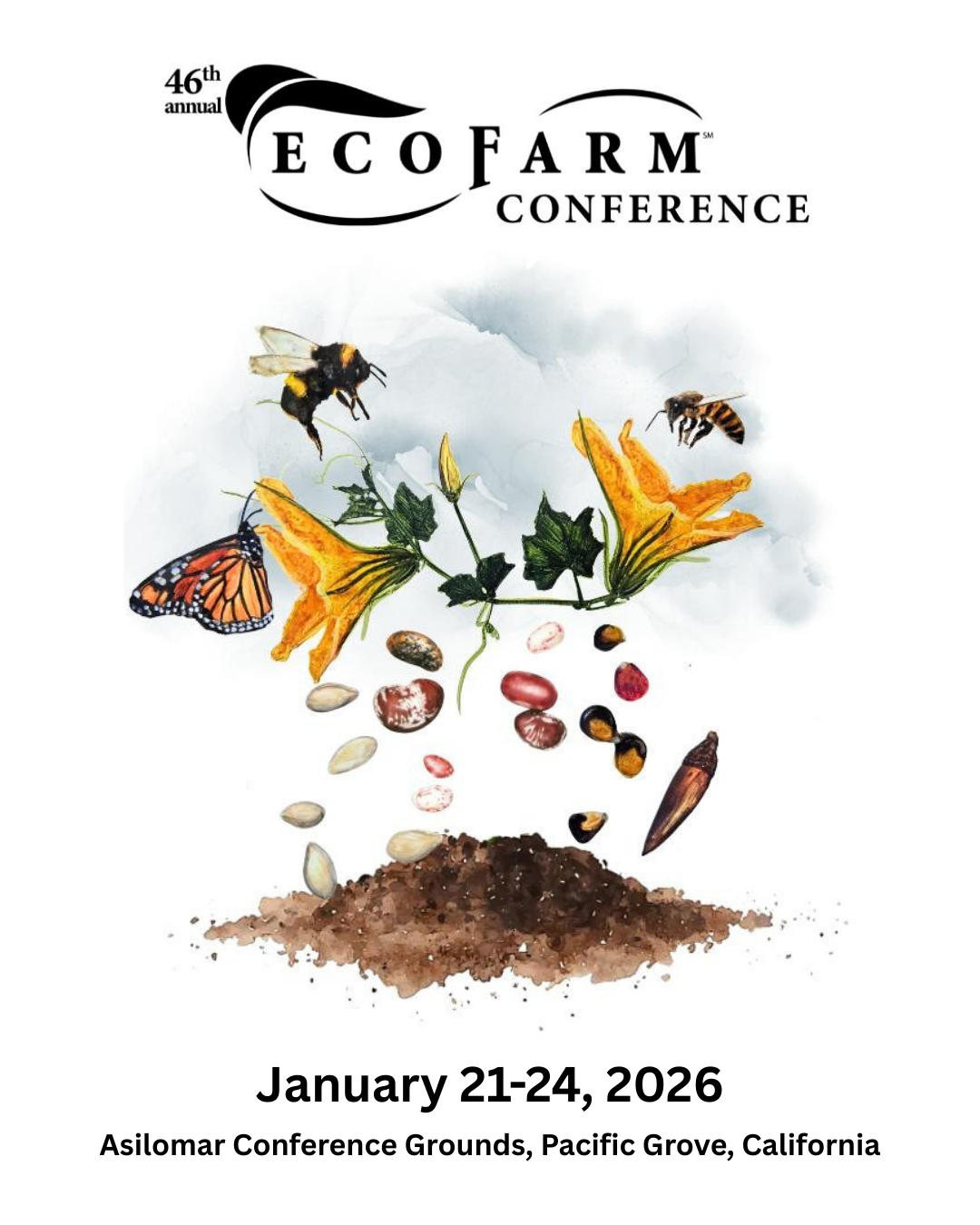
We’re thrilled to join the 46th annual EcoFarm Conference in Pacific Grove! Join us January 21–24, 2026, as we connect with farmers, partners, and peers dedicated to a thriving, equitable agricultural future.
This year, our staff will lead workshops on multigenerational succession planning, land access, and disaster preparedness, offered in both English and Spanish to better serve farming communities. We'll also moderate Introducción a la planificación de la transición y sucesión agrícola, a Spanish-language workshop supporting farmers to plan for succession.
We're also proud to sponsor EcoFarm’s Latine Farmer Mixer, creating space for connection and celebration among Spanish-speaking farmers. Our Resilience and Wealth-Building team will bring 15 Latine farmers to connect with peers, share their experiences, and strengthen networks across the region.
We look forward to learning, collaborating, and building community at EcoFarm.
Welcome to the California FarmLink team!
We're excited to welcome a new colleague who brings talent, passion, and purpose to our work at California FarmLink.
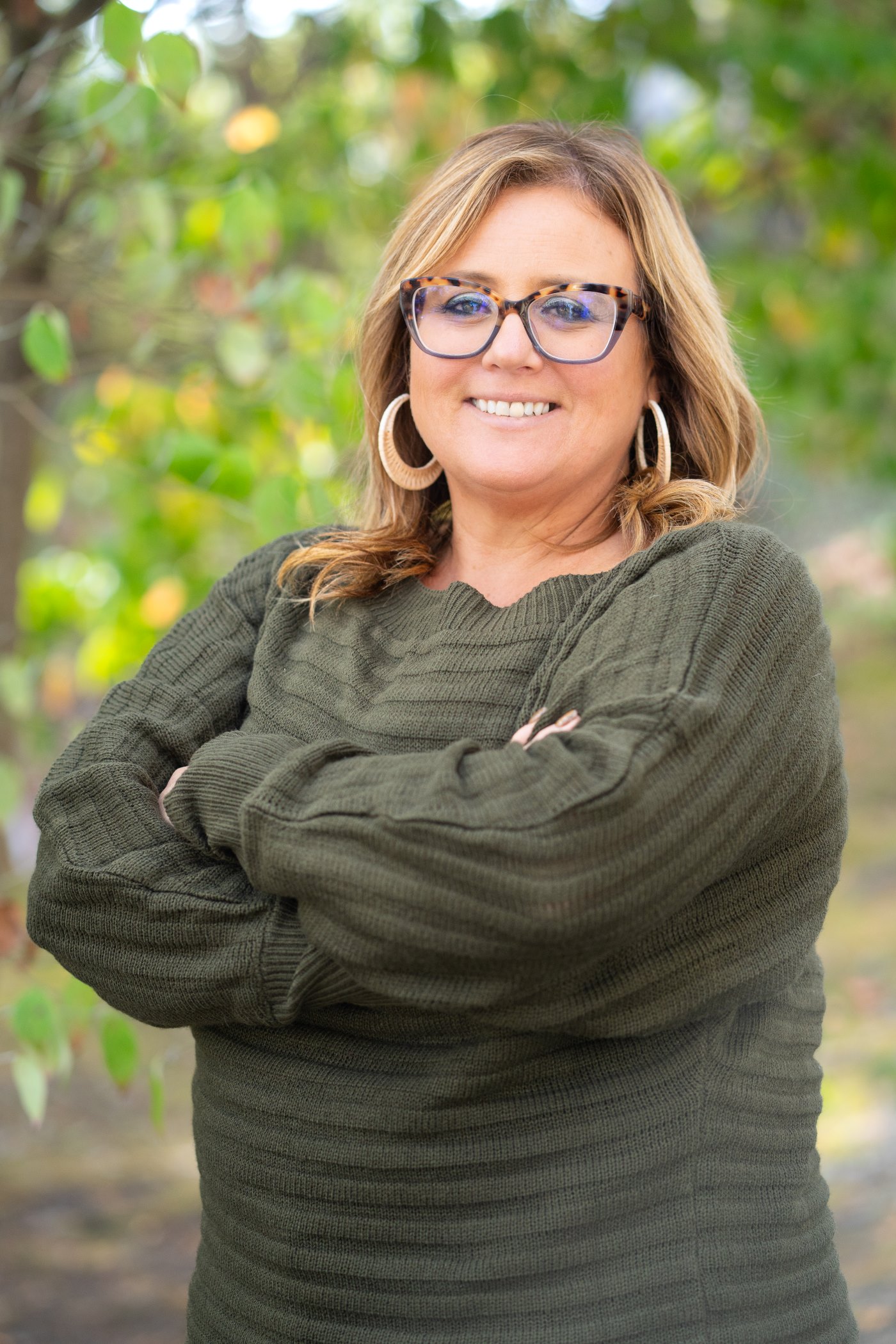
Amy Davis, Program Director of Technical Assistance and Training
Amy oversees the development of the Business Services Hub, which provides bookkeeping and tax preparation services to FarmLink clients. She also leads the creation of new technical assistance tools through the Paso a Paso program to strengthen clients’ foundational business skills and loan readiness, while developing a streamlined set of practices for internal training.
"With my background in servicing farmers and ranchers, I understand the unique challenges they face,” Amy explains. “My goal is to provide technical assistance, financial management tools, and business skills they need to thrive, creating a foundation for long-term sustainability."
Meet the staff and board members driving FarmLink’s mission and impact.
Now Hiring

We're expanding our team and seeking a passionate Loan Administration Associate eager to make a meaningful impact in California’s agricultural and fishing communities.
If you’re interested, please email your resume and a cover letter explaining your interest in the role to humanresources@cafarmlink.org. Be sure to include the job title in the subject line.